Clémence, a 31-year-old French-Mauritian actress, is the perfect example of an artist with a career that is as rich as it is inspiring. Starting out as a social worker and art therapist, she ended up responding to the irresistible call of the stage, reconnecting with her childhood passion for theater.
First of all, can you tell us a bit about yourself and your journey as an actress?
I am Clémence, French and Mauritian, I am 31 years old. I started as a social worker, continued as an art therapist before returning to my first love: gaming. I have travelled quite a bit but it has nourished me a lot.
How did your passion for comedy start, especially with the Reunionese amateur troupe Shazam at only 6 years old?
As a child, I enjoyed the laughter of the people around me a lot and I always wanted to share my feelings of madness with others. My mother enrolled me in “Shazam” during the two years we lived in Réunion. I have distant memories but I remember growing up with the youngest group and having sparkles in my eyes watching my teachers on stage!
What prompted you to pursue a literary bachelor's degree with a specialization in theater?
As early as the 4th, my French teacher spotted me and invited me to join her company, “Gorges Coupez”. I was the youngest in the group and I discovered the joys of creation with a troupe. It only increased my desire to explore the world of theater! At the end of middle school, the principal encouraged me to continue in this direction and directed me to a high school offering a specialization in theater. I didn't need more to convince myself!
After your travels and studies, what led you to launch your career in Mauritius in 2018?
I am originally from Mauritius, where part of my paternal family lives. Throughout my travels, I felt the need to recharge my batteries there. Once settled, I wanted to join an improvisational theater troupe, “Komiko”. The feeling went right away, and we played a show for two months. It was with Alessandro Chiara, one of the actors in “Komiko”, that we then set up the project to rehabilitate Antigone, played at the Caudan Arts Center (national theater) in 2019.
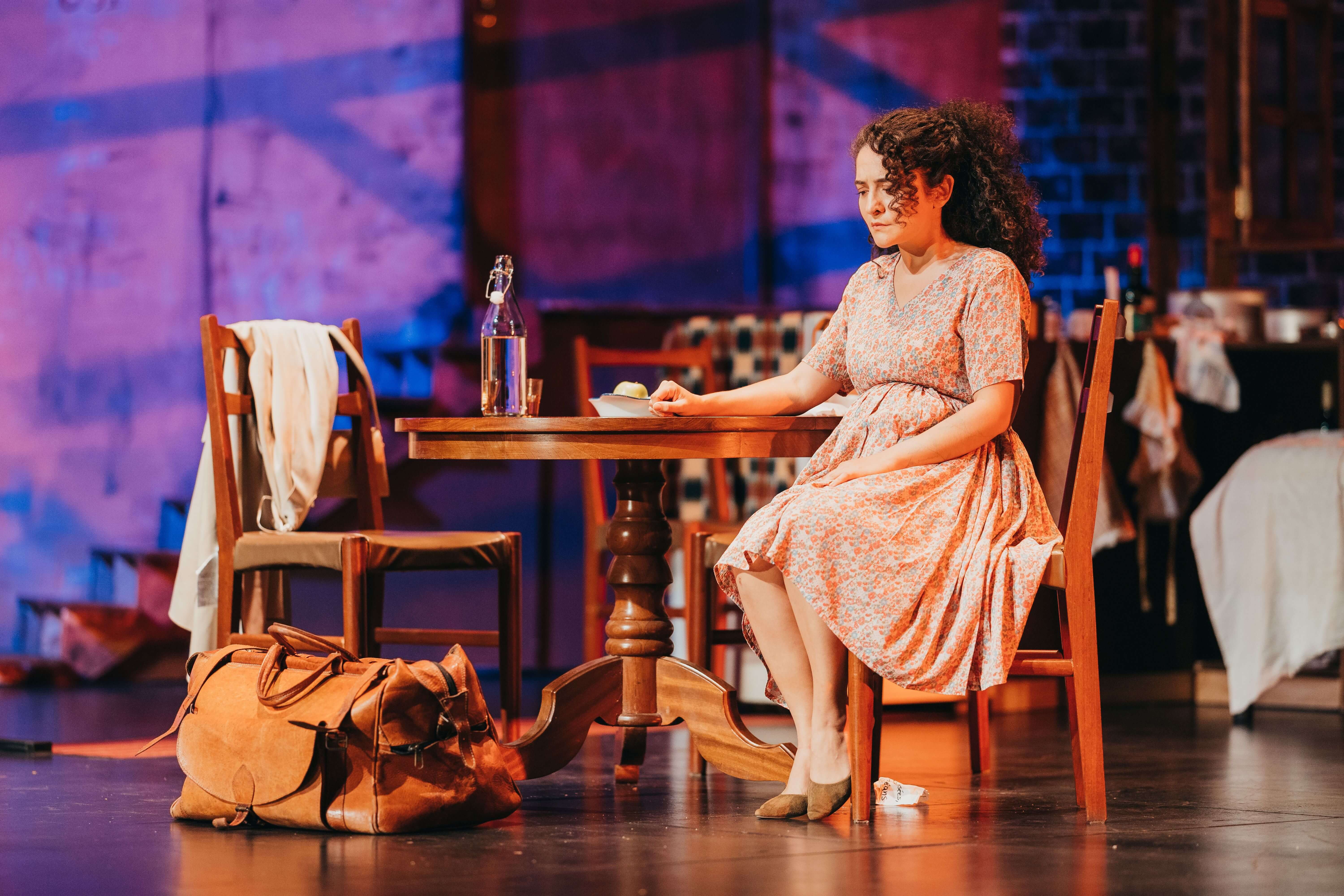
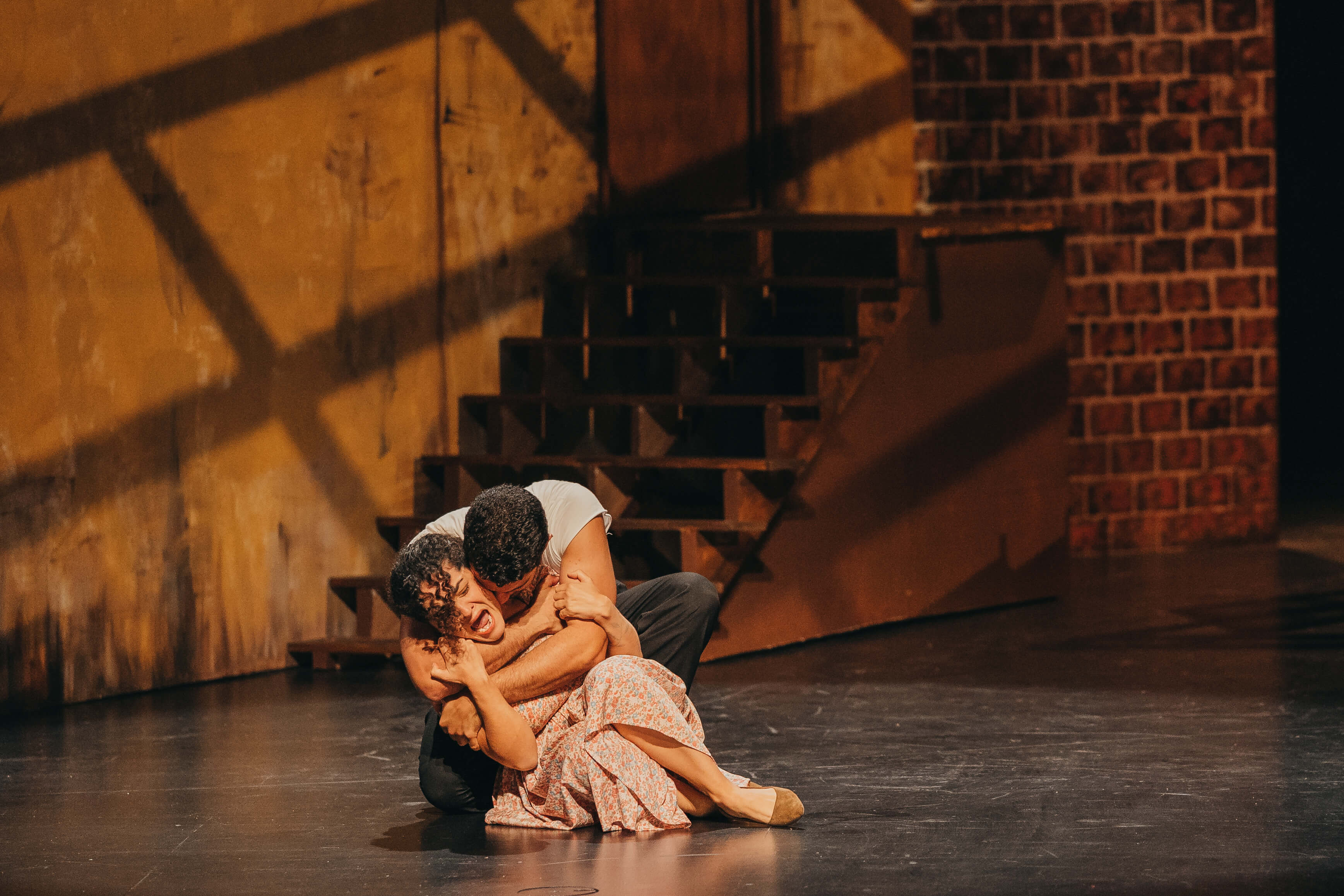
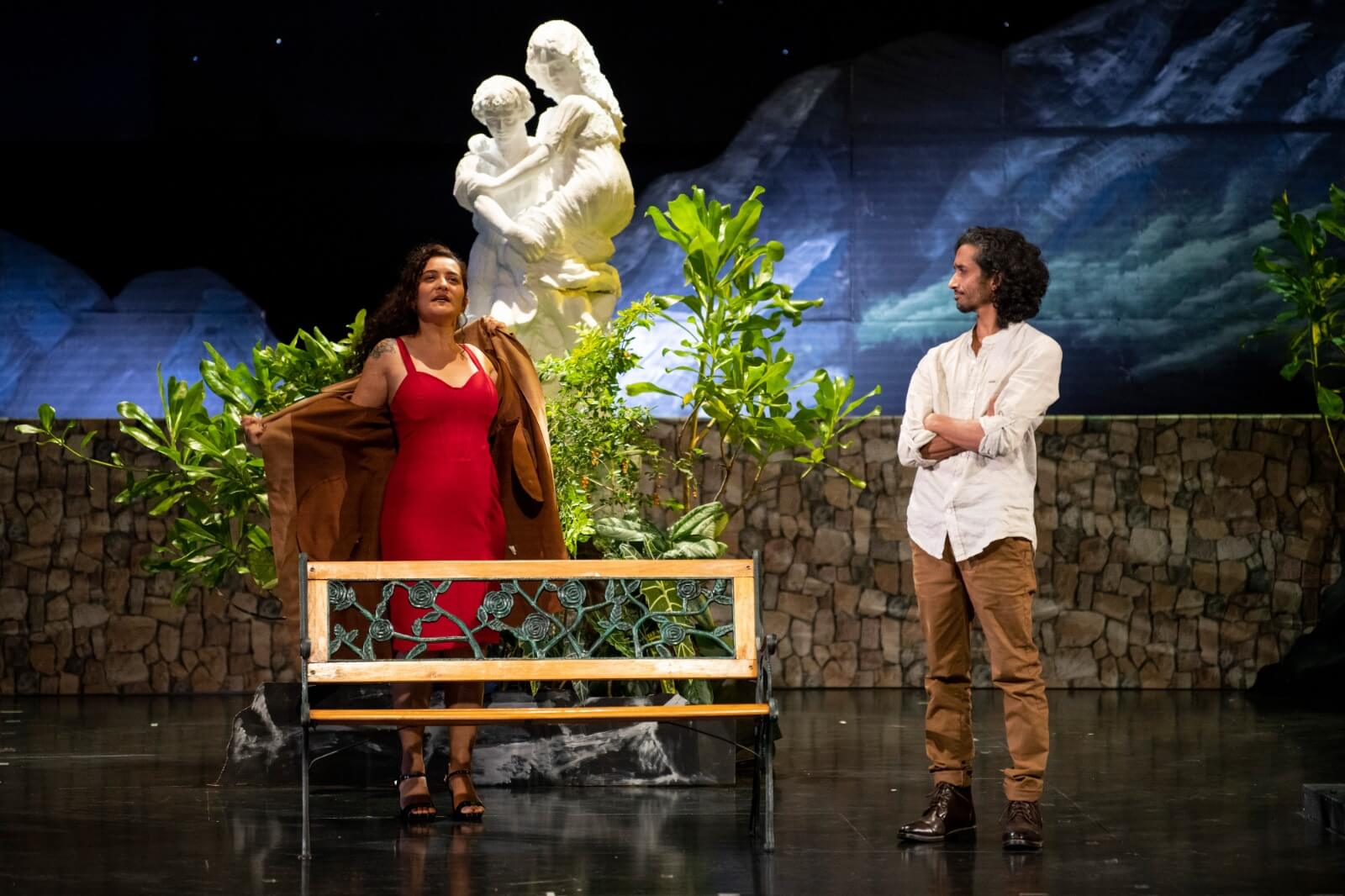
You played Stella Kowalski in A Streetcar Named Desire. What stood out to you in this role?
This role was a real gift. Stella is, like many of the characters in Tennessee Williams, a complex character. Loving and helpful, she is nonetheless deeply tortured. What impressed me was her visceral need to emancipate herself from her condition: that of a woman caught in a stranglehold since her youth and which is inexorably tightening as the play progresses. It was a joy to play such a role on stage!
What do you remember about your experience in “The Miracle Worker”?
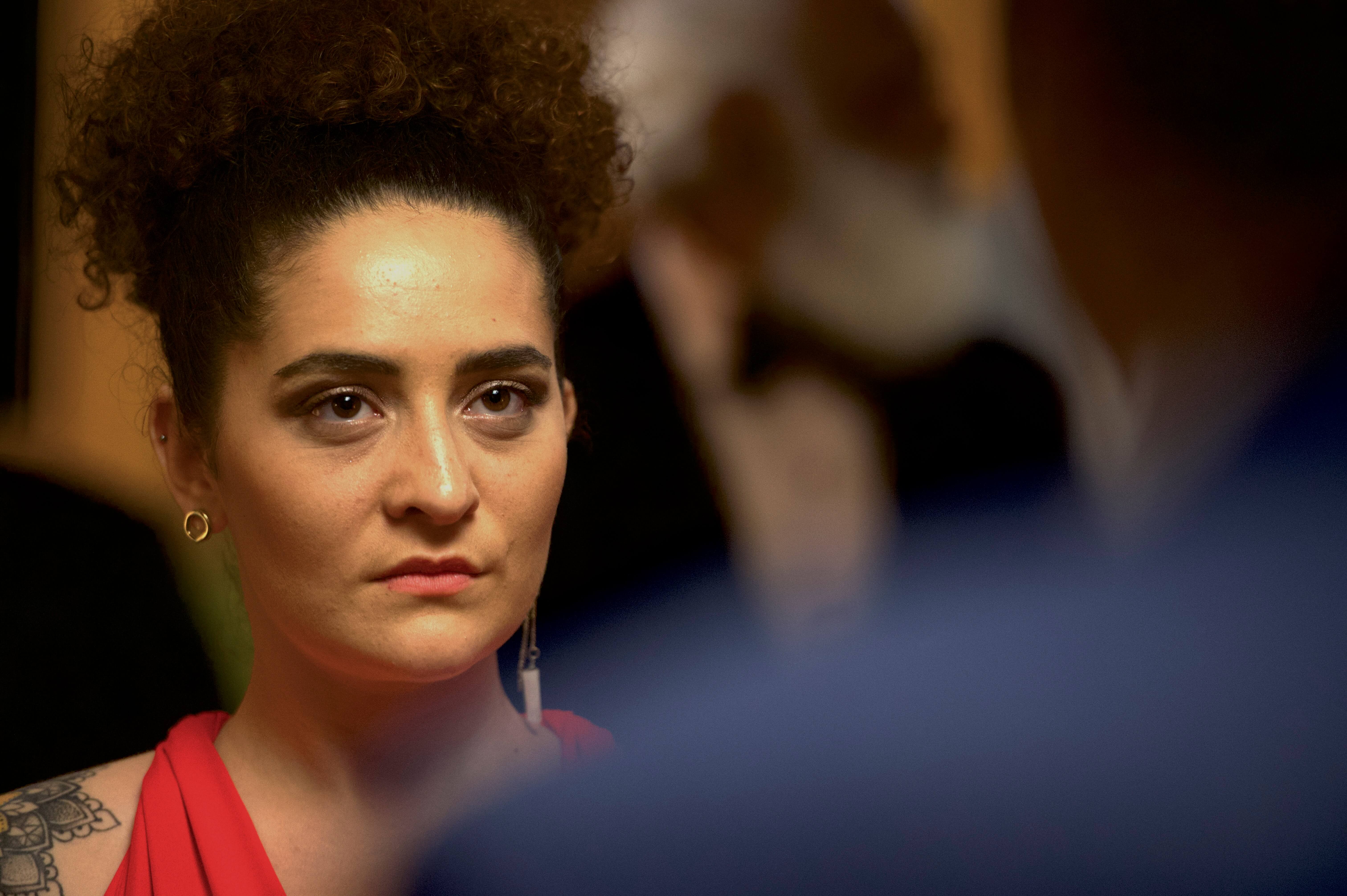
I worked with Jon Rabaud, who re-adapted and directed the play. Our exchanges helped me to refine my understanding of the text and my character, Hilde. This piece was a challenge, combining philosophy and poetry. But what impressed me the most was having to sing for the first time on stage!
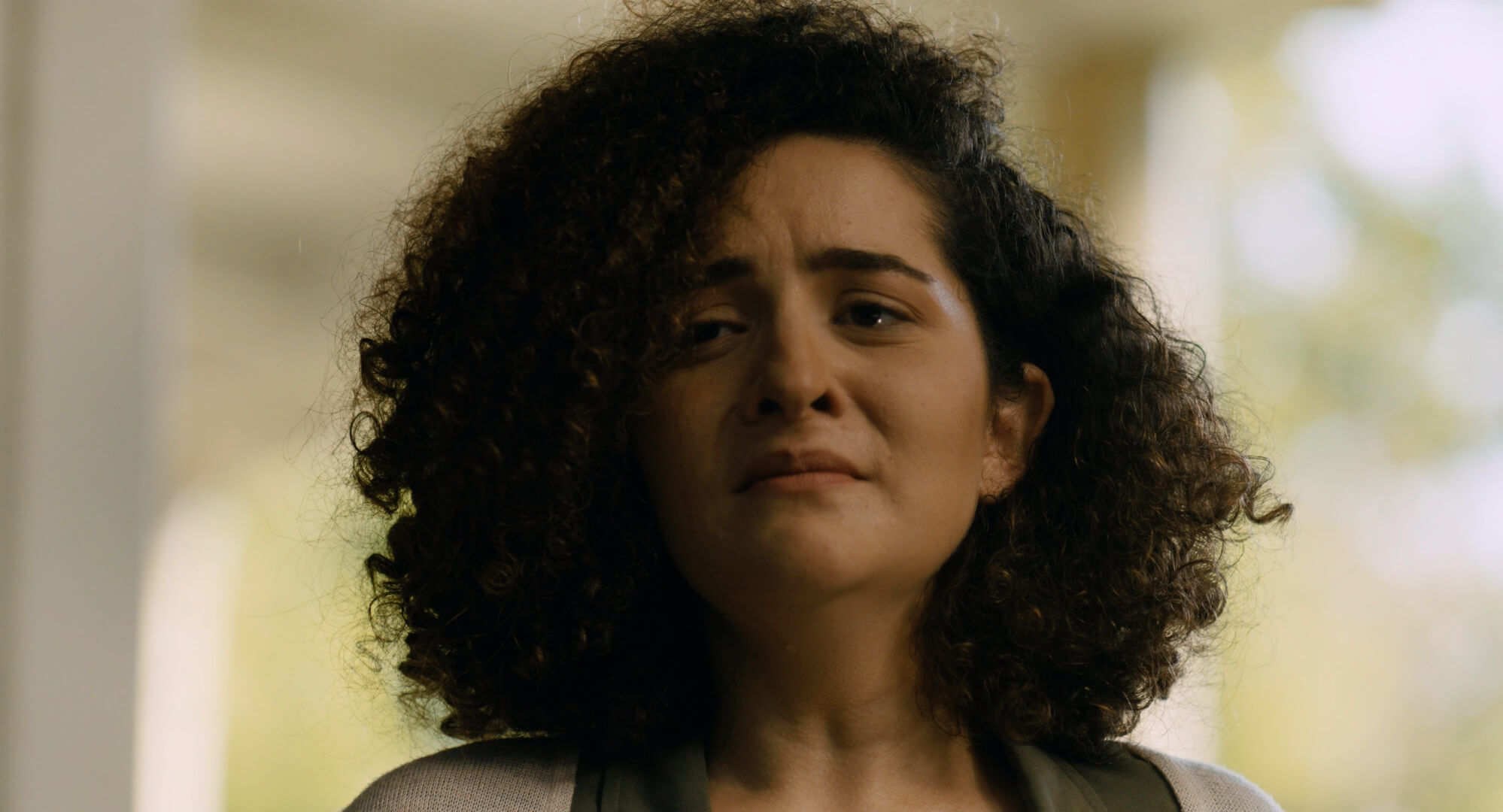
The feature film The Blue Penny marked your movie debut. How did you approach this first big experience?
I was very fortunate to participate in this project. The shooting conditions were particular: in the midst of the Covid pandemic, there was no guarantee that we would be able to live our lives and our projects as before. This period of uncertainty created an atmosphere of solidarity and kindness within the team, which allowed me to live this first experience calmly and joyfully.
Between theater and cinema, what are the main challenges you encounter in these two worlds?
The challenges are very different, but just as intense! If I had to make a sports comparison, I would say that theater is a marathon, while cinema is a sprint.
Theater requires continuous energy, from the first rehearsal times to the times on stage where everything is embodied, felt, and where each performance must be experienced as if it were the first time.
Cinema requires good preparation but above all it requires patience. The camera imposes a proximity and an intimacy that can be destabilizing for a theater actor. There is also the idea that you don't have control over the end result as an actor. Post-production editing can completely rewrite the story of the film.
What aspects of theatrical acting help you the most in your film performances?
Listening to the partners on stage helped me a lot in cinema, especially for my first role. Theater taught me to create a real osmosis with my playing partners, which is essential in both disciplines.
Is there a classical role or play that you dream of one day playing?
The role of Cyrano is a crazy dream for me, but if I am for gender transgression, I don't know how interesting it would be to feminize this role.
Who are your models or your inspirations in the world of theater and cinema?
I actually have several of them: Kate Winslet, Jodie Foster, Jodie Foster, Simone Signoret, Simone Signoret, Kristin Scott Thomas, Laure Calamy, Rachel McAdams, Marina Hands, Adèle Haenel, Alexandre Astier, Alexandre Astier, Guillaume Gallienne, Guillaume Gallienne, Simone Signoret, Simone Signoret, Kristin Scott Thomas, Kristin Scott Thomas, Laure Calamy, Rachel McAdams, Marina Hands, Adèle Haenel, Alexandre Astier, Guillaume Astier, Guillaume Gallienne, Guillaume Gallienne, Simone Signoret, Denis Signoret
You talk about a desire not to lock yourself into a single register. What types of roles would you like to explore further?
I have had the chance to play more dramatic and moving roles lately, and I am very proud of that! However, I want to avoid locking myself into my comfort zone. Comedy, which was my first refuge, still fascinates me. Audiences often have higher expectations for comedy than for drama. I would like to take up the challenge of a comic play to regain that energy and pleasure.

What are your future projects, whether in France or internationally?
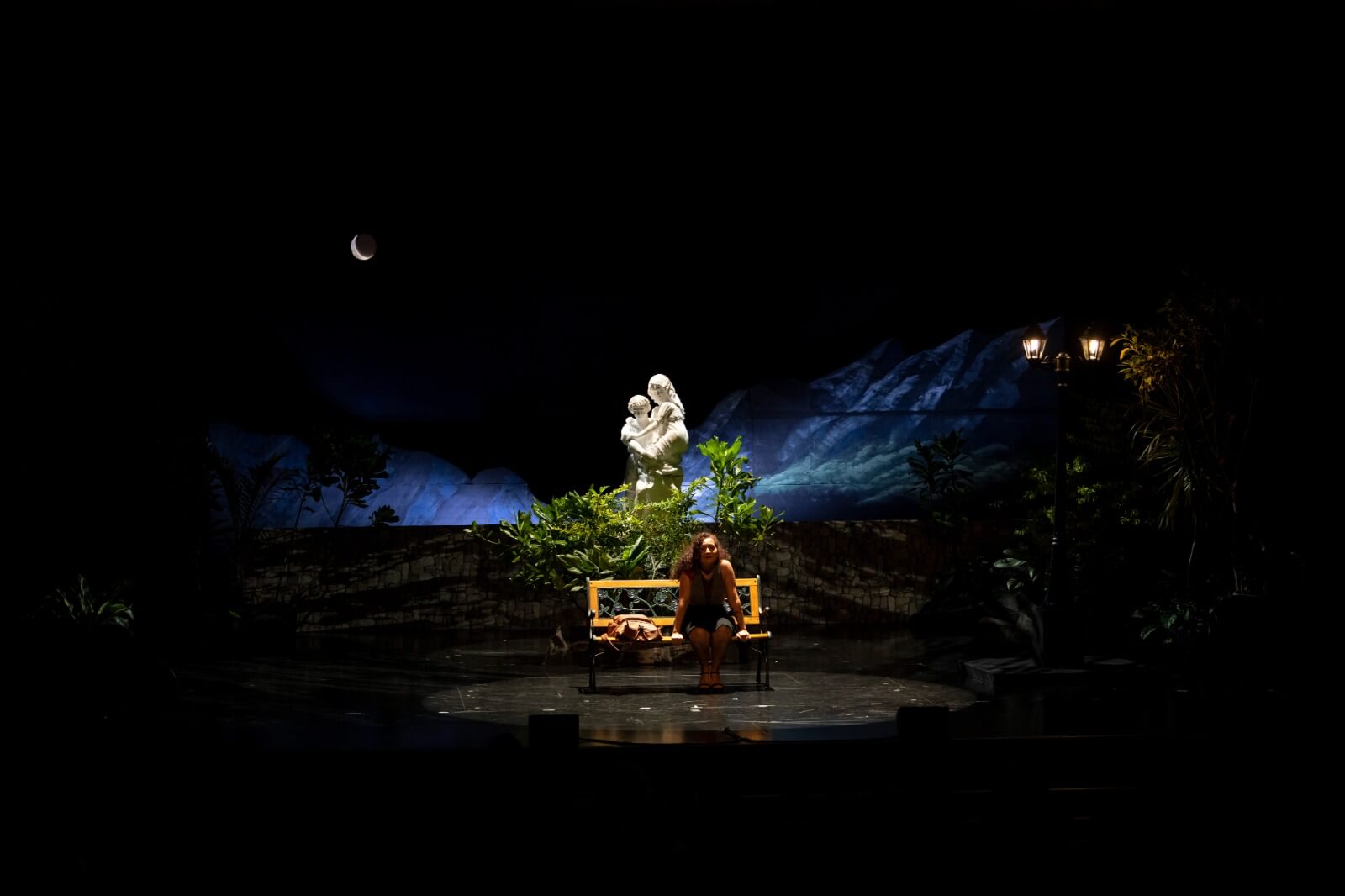
I am currently preparing a play by Jean Cocteau, The Human Voice. Written in 1930, it is a single one directed by Vinaya Sungkur with whom I am collaborating for the first time on stage! The play is scheduled to start on January 16 in Mauritius and we do not rule out doing it outside the island!
At the same time, I am also preparing the piece. Intra-muros by Alexis Michalik, directed by Marie-Ange Koenig. I play the role of Alice, among other things because it is a play with five actors but with more than ten characters.
Do you have a preference between local collaborations and more international projects?
I wouldn't talk about preferences but about opportunities! So far, I have had the chance to combine magnificent projects with Mauritian collaborators, each more talented than the last. However, my dual nationality allows me to keep an eye on what is happening outside the island. Going back to the roots through new projects would be a gift.
How do you prepare yourself mentally and physically for a demanding role?
I don't have a very specific ritual but to get in shape it is first of all through in-depth reading and exchanges when the project allows it. Cutting up the scenario or the text, analyzing it, rereading it several times allows me to fully immerse myself in it. I also engage in parallel research and reading. Physically, I never had to change my appearance for a role. For some time now, I have been devoting myself to more intense vocal warm-ups. My voice is my main tool but also the most fragile.
What advice would you give to young actors who want to start this profession?
The only real advice I could afford to give is to not just focus on acting. Developing yourself in different disciplines, whether artistic, sports or other, allows you to enrich yourself and nourish yourself as an actor. Creativity rhymes with multipotentiality, in my opinion!
Clémence SOUPE — Actress • Mauritius
Portfolio: clemencesoupe.bookfolio.fr