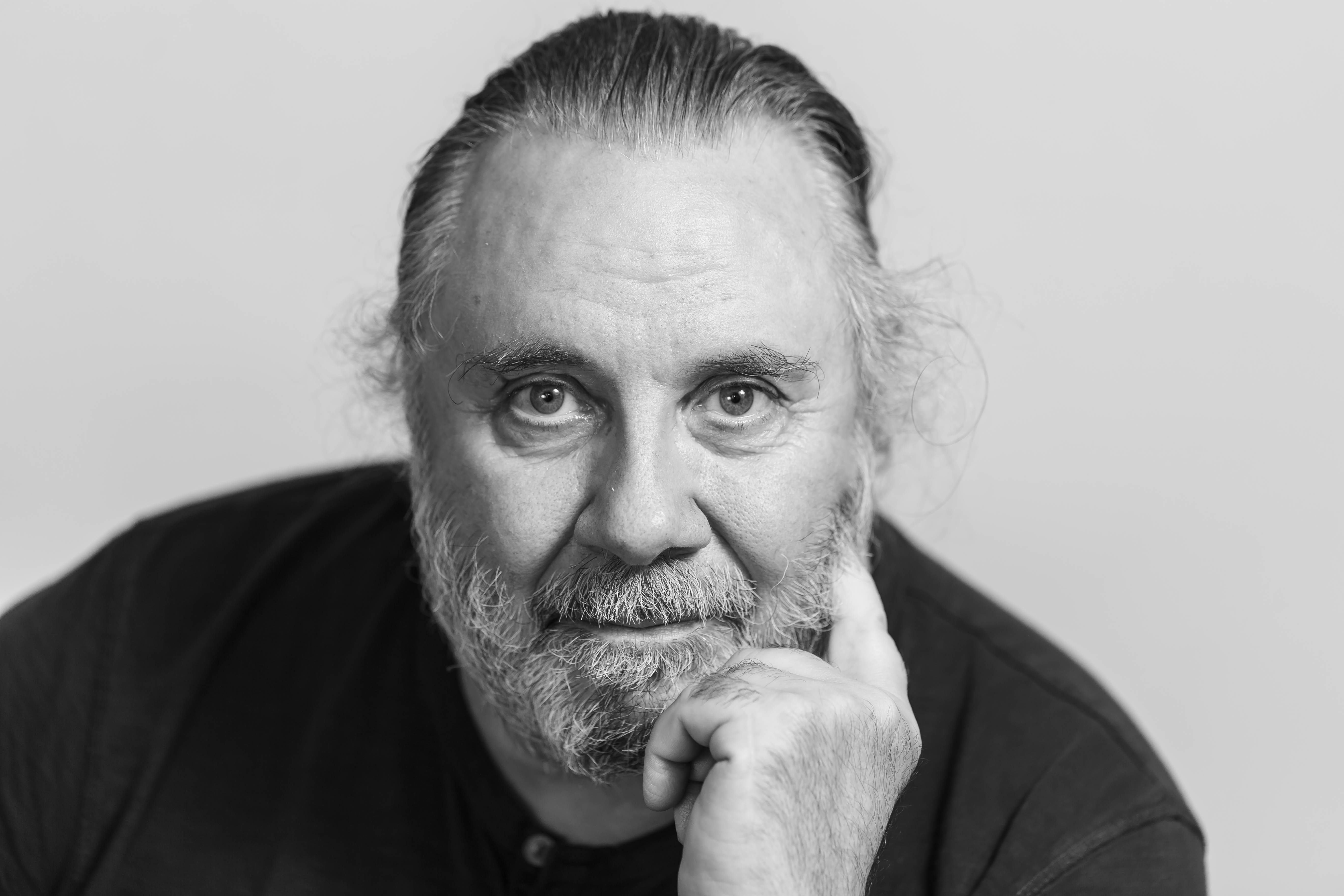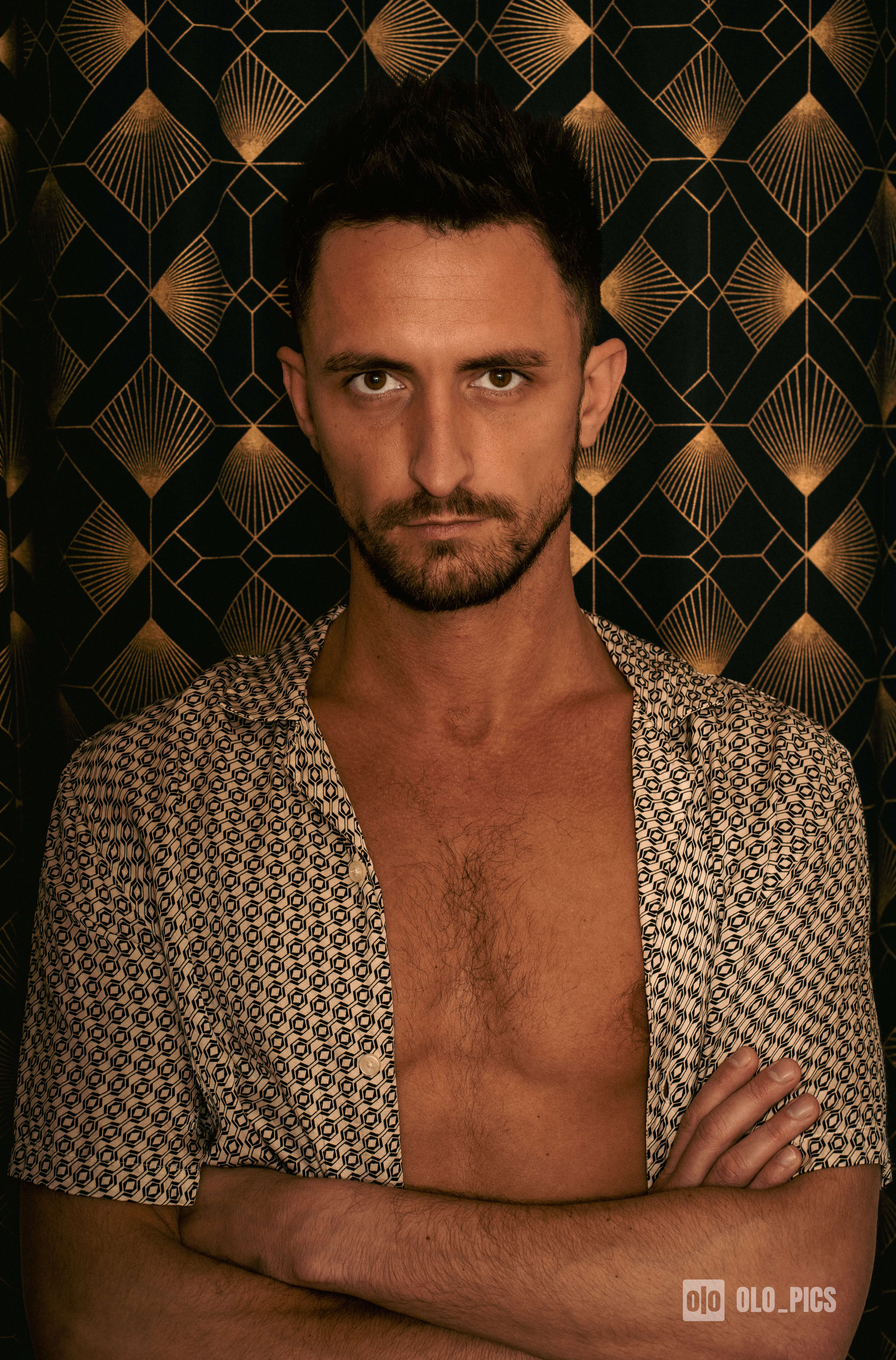
Patrice Dupain, an amateur model passionate about art and photography, opens the doors to his universe where self-confidence and creativity meet. Through his unique career, he sincerely shares his evolution, his inspirations, and his vision of the role of the model in artistic creation. From his first hesitant steps to his striking collaborations with talented photographers, discover the story of a man who knew how to transform his doubts into strengths and his passions into real works of expression.
Why did you choose to start modeling, and how did it help you gain self-confidence?
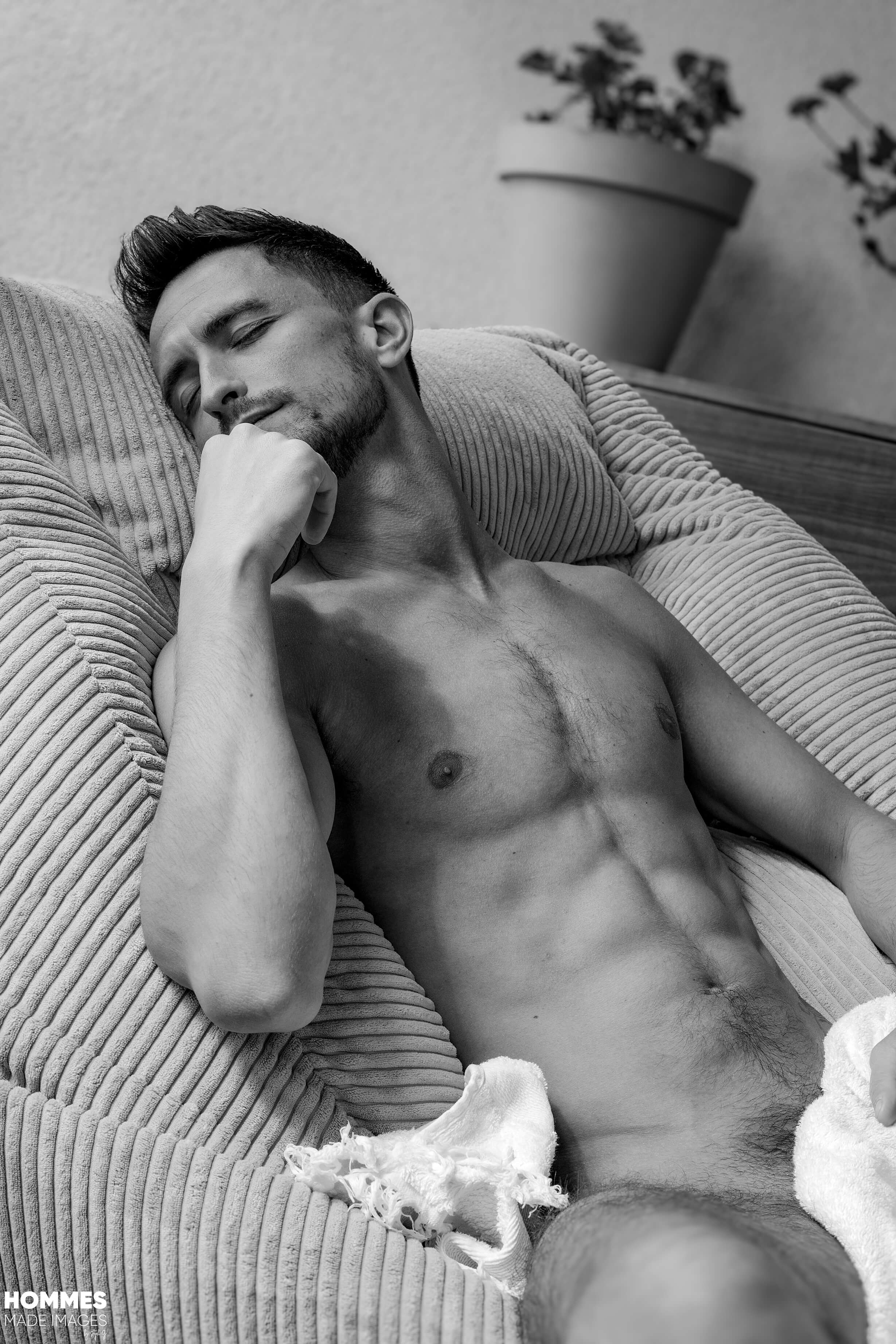
I have always loved the world of photography, the art of being able to capture an emotion, a different way of seeing things. Highlight the details to reduce the obvious. But I have always been in the role of spectator. Until I was 29, I lacked a lot of confidence in myself when it came to my image and my appearance. And I wanted to change that. Then a photographer from Bordeaux contacted me, after seeing my amateur photos on my Instagram account, and announced that he wanted to photograph myself. Instagram was already a kind of therapy to get an outside perspective on me, and this talented photographer offered me the opportunity to see myself differently, under his professional and caring eye. His aim was to bring out the best in me, and mine to do a complicated but beneficial exercise. After the first publications, other photographers contacted me, all different from each other. Most are from Bordeaux, another from the South-East, and a talented photographer from Paris, who offered me the opportunity to publish my own magazine of our shootings, as well as a recent exhibition in Brussels.
How has the Bordeaux region influenced your career or your opportunities?
The Bordeaux region is a region rich in photographic talent, in opportunities for staging, and locations. And it was especially easy for me to meet photographers from Bordeaux before even thinking about a possible trip with financial costs that I was not ready to assume without knowing if I liked it. In addition, as each big city is ultimately not that big, many know each other in each respective environment, and I was therefore able to reassure myself before starting with the first photographers by getting closer to acquaintances who had already collaborated with them. My region, my city, my surroundings, everything was there to dare to launch myself and start the adventure of photography.
What do you like the most about playing with your image through the lens?
Each photographer has a different vision of myself. Before meeting each other already, through photographs, and especially through our exchanges. When a relationship of trust is established and you let yourself be carried away by the photographer's project, by his intention to bring out what he thinks is the most revealing about me, it is also analyzing yourself by what comes out of the photo and the comments of the public, and I find it an interesting, exciting, and fun exercise.
How important do you attach to the relationship between the photographer and the model in the success of a project?
Before meeting a photographer, I make it a point of honor to discuss with him, by message, over a certain period of time. We discuss the project, what we will do with the content, everyone's expectations. I am looking at his existing work. This already allows me to create a relationship of trust. For me, whether pictorial or not, during a shooting we put ourselves naked. The photographer reads in you, to bring out the best. And for this reading, this exchange to be a success, you must not be locked in restraint or discomfort that would block any emotion or staging. Trust and shared desire are therefore essential in my opinion in a relationship between a photographer and a model. And maintaining this link even after the completion of the project is interesting, to re-collaborate and see the evolution or change of orientation of each person over time.
What motivates you to take on challenges or explore new experiences in this field?
Photography is “putting yourself in danger” in the sense that you expose yourself, you stage yourself, always in a different way, in a different context, with a photographer therefore a different approach and a different vision. It is therefore always a discovery, a personal achievement that is interesting and exciting. I am always learning about myself.
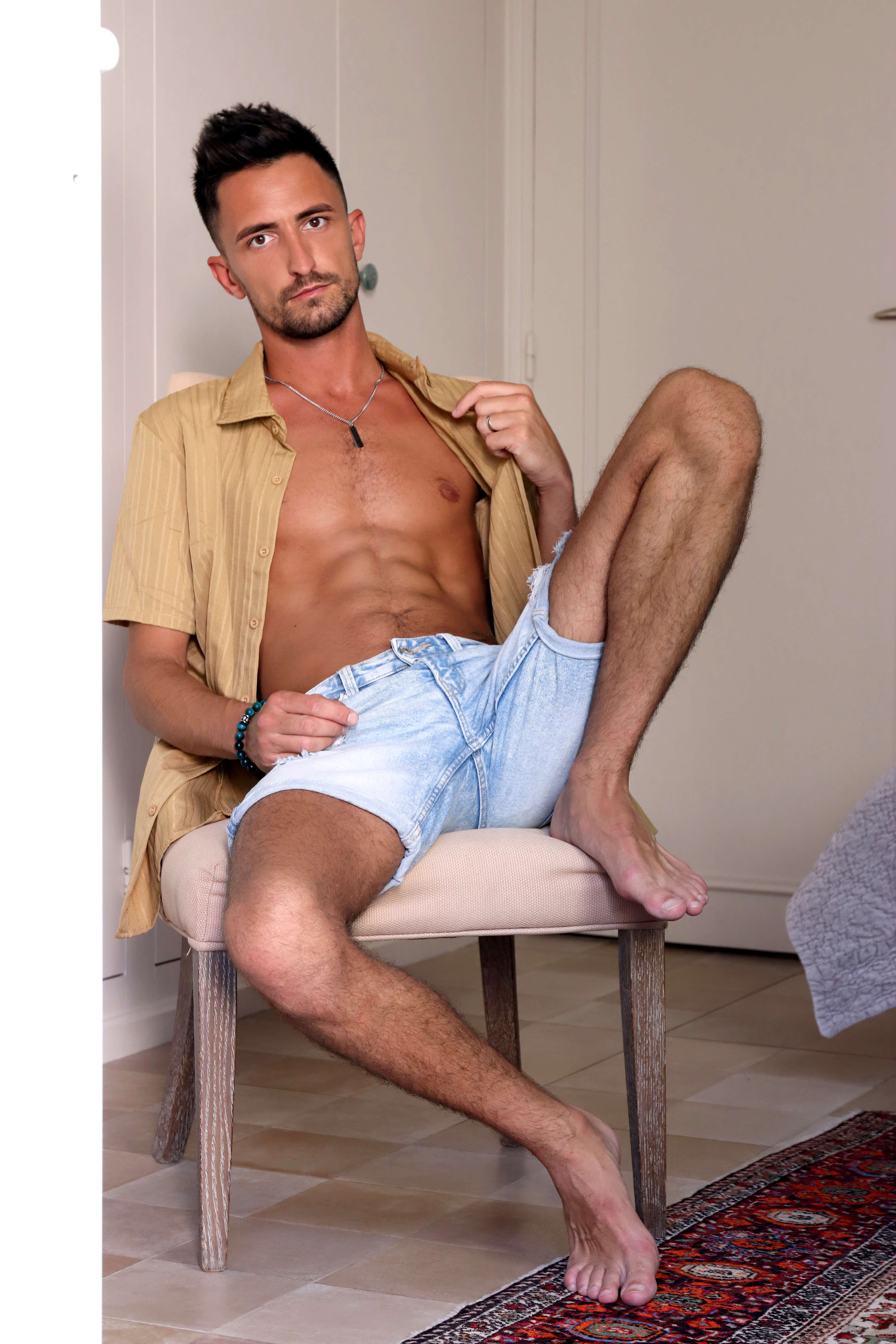
How would you describe your style as a model? Are there emotions or messages that you want to convey?
I admitted that I don't necessarily have my own style as a model. But at least I am not aware of it. For the moment, I have always been staged according to the expectations of the photographer or his projects. I think that what comes out of the shootings is that I am able to transmit softness in contrast to passion, body fragility in contrast to hardness. In today's world, photography and images in particular tend to promote ultra-muscular male bodies, stereotypical of the “masculine masculine athlete.” And I try to transmit these emotions once the barrier of this stereotype has passed, these emotions, of fragility in real strength, of love, of sensuality.
What role do your passions for art, painting, and pottery play in the way you approach photo shoots?
Unfortunately for the moment, I did not have the opportunity to link everything. I have ideas, especially with pottery and painting, but I just got carried away by other inspirations. Linking my passions, which are these, which are really very personal, with the art of photography would really please me. Pottery but especially painting are concrete projections of a message, a feeling, an emotion. Transposing it into a photo would be a kind of mirror between creation, the artist in creation, and the artist photographer.
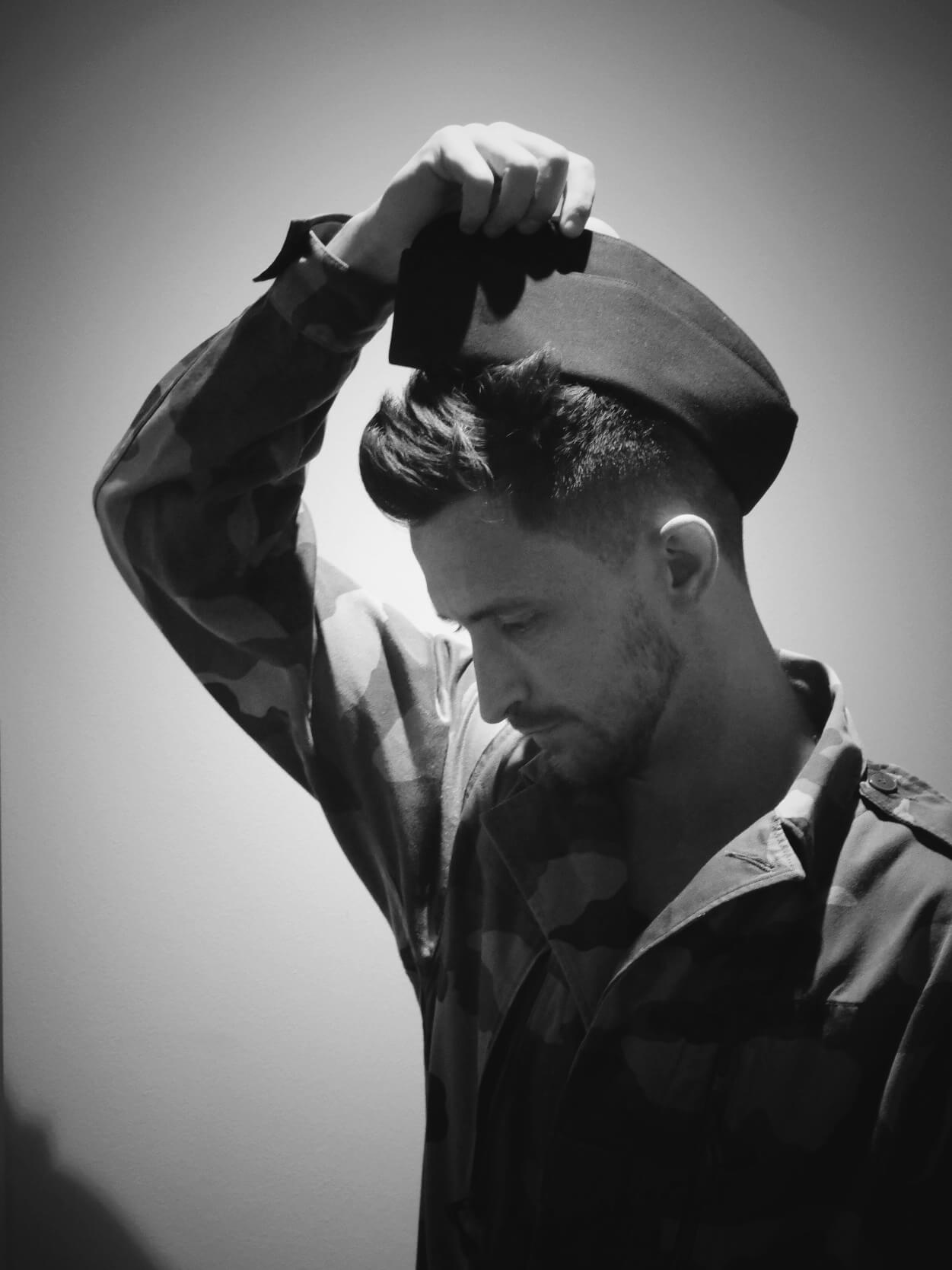
Among your collaborations, do you have a session or a gallery that particularly impressed you?
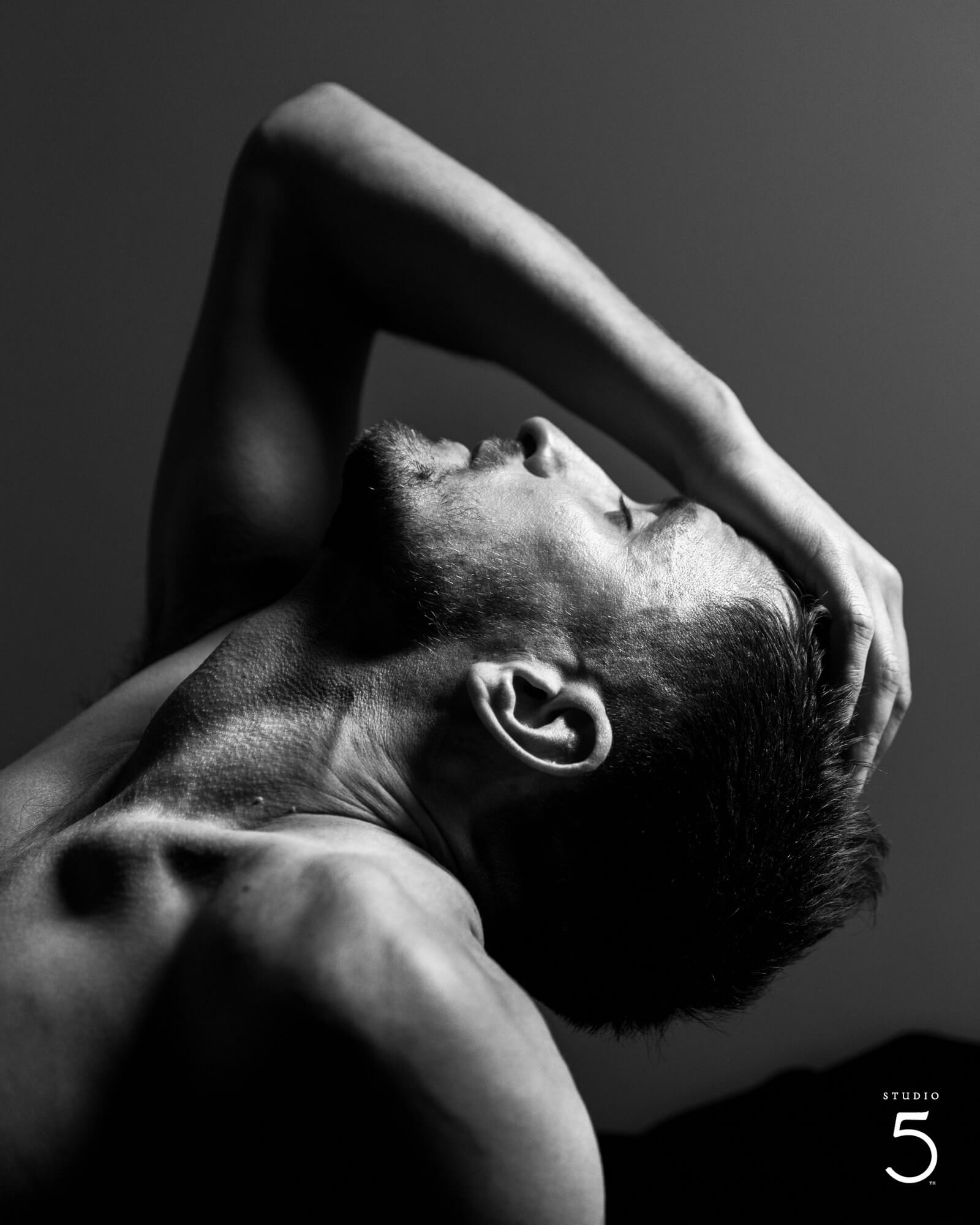
All my shootings left an impression on me and were real sincere moments of sharing. But one will stand out from all the others. It was with a Parisian photographer, who invited me to collaborate in his studio. He works in black and white, and does an exceptional job of highlighting and playing with light. Once I got to his house, I realized that the place was tiny, and I couldn't see how he could take such photos in this place. We spent the morning doing personality tests so he could identify me. Like drawing a pig on a blank sheet of paper. It was all... strange, new. But I felt his kindness, and above all I saw that he was managing his boat well and in the end everything made sense. In the afternoon, the shooting started, and I am quite long enough enough to relax and take pictures that can be presented. He took his first photo, showed it to me, and it was beautiful. It was also the cover photo of the magazine he dedicated to me. And then I understood that this man was a real artist, human, and I was able to instantly let go and with his unique eye, it resulted in a magnificent series.
How do you approach a new collaboration with a photographer?
As said before, I make it a point of honor to build a relationship of trust, to get to know each other before even talking about a project. Know why he contacted me if that's the case, what did he like. I look at the photographer's work, these models. Then, by dint of discussion, we generally naturally move towards a common project, by setting the limits of what is feasible or not, and by discussing the choice of distribution media. I always ask for a contract, to protect both of them.
Is there a type of project or a photographic style that you would like to explore further?
As said before, I would very much like to combine my passions, which are pottery and painting, in a shooting that may be all in the spotlight, with a focus that is not focused on me but on this passion. Something out of the ordinary. And then, I have a desire for nature. What can be more beautiful than a shooting in nature, all types combined, combining the body in its simplest device with the evidence of the simplicity and complexity of nature.
What do you think makes a photo really emotionally powerful?
For me, the gaze is the window to the soul, feelings, emotions. The decor is also important, it is the entire work that will do its job, harmony. But the gaze captured at the right time is for me one of the key factors in transmitting an emotion.
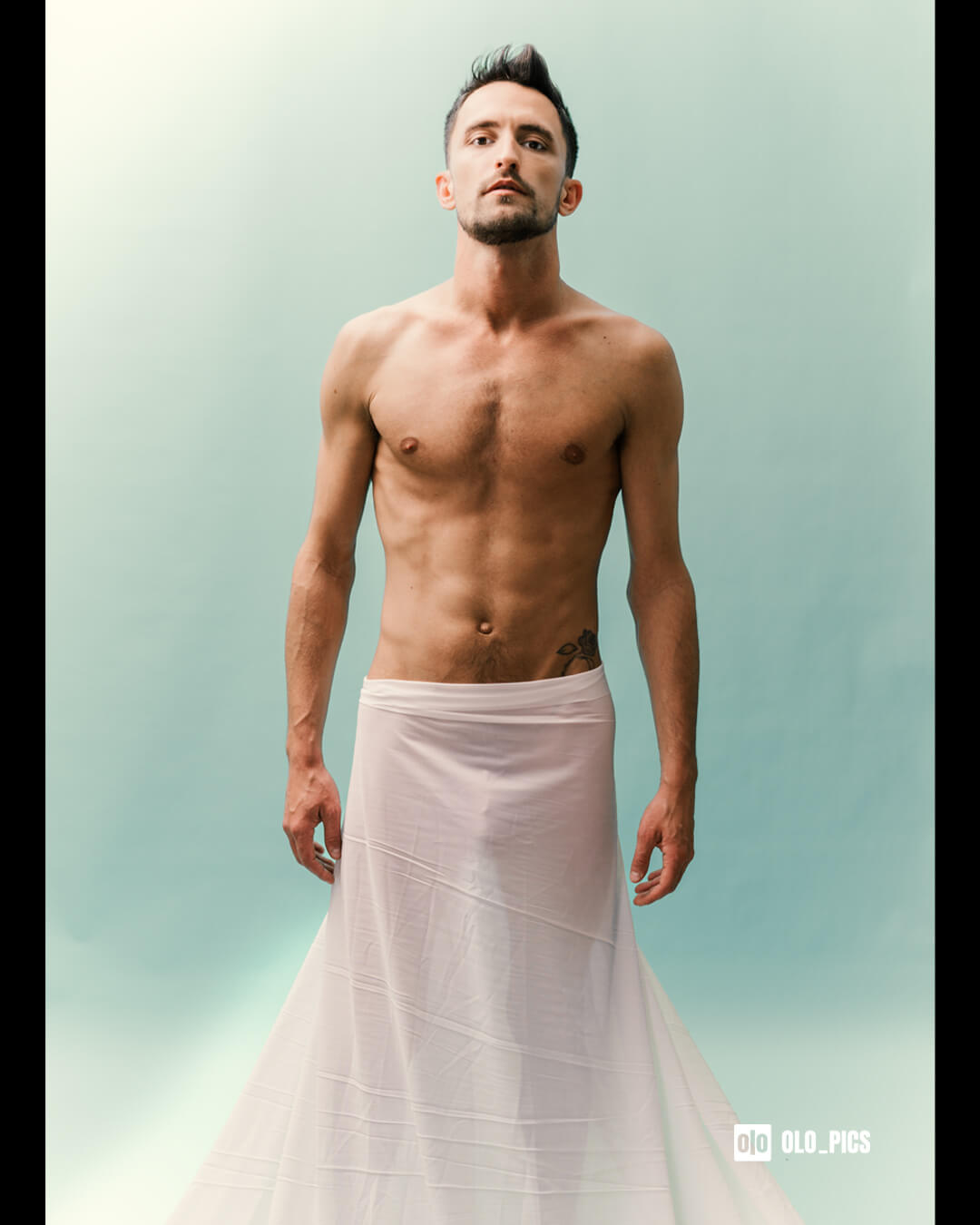
How do you prepare yourself mentally and physically to best embody the subject of a photo shoot?
On the mental side, I make sure to be relaxed, and above all rested. I prefer a light diet before shooting, but nothing frustrating either; everything should remain fun. A bit of UV if I find myself livid, a bit of sport focused on the bust before the shooting session: and all that's left!
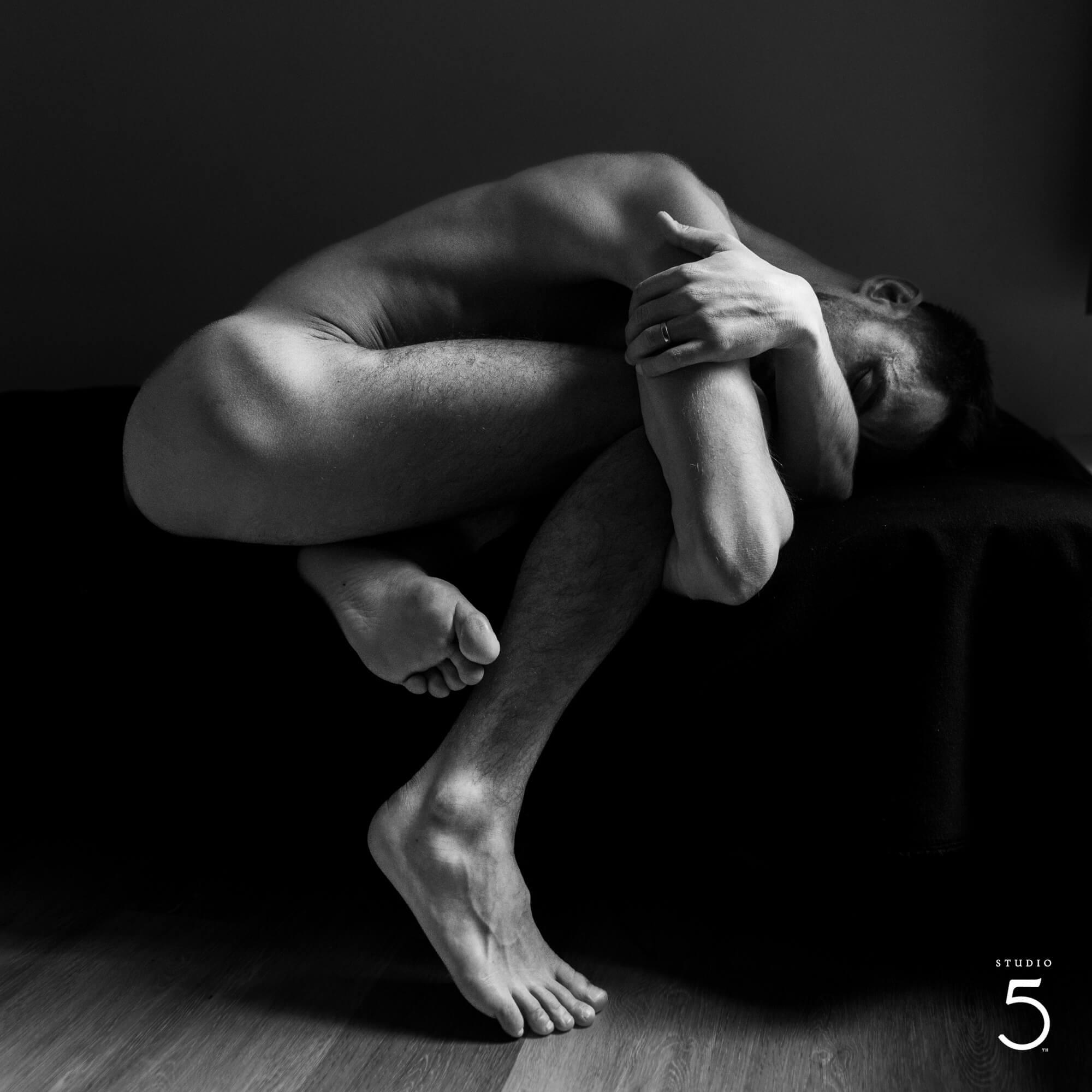
What are your dreams or long-term goals as an amateur model?
I have no particular objective related to photography, except to meet new artists, for new projects. My only wish is to continue to discover new worlds through photography, to dream and why not to make people dream. And continue to share this passion with my husband.
If you had one piece of advice to someone just starting out, what would it be?
You have to dare to start. Self-confidence will come later little by little, or maybe never. And in which case it will make the photos even more authentic. You have to dare to trust the other, once specific rules are established with the photographer, and a contract signed by both parties transcribes it. Above all, do not accept anything just to get over the course, but do what you want. And above all have fun.
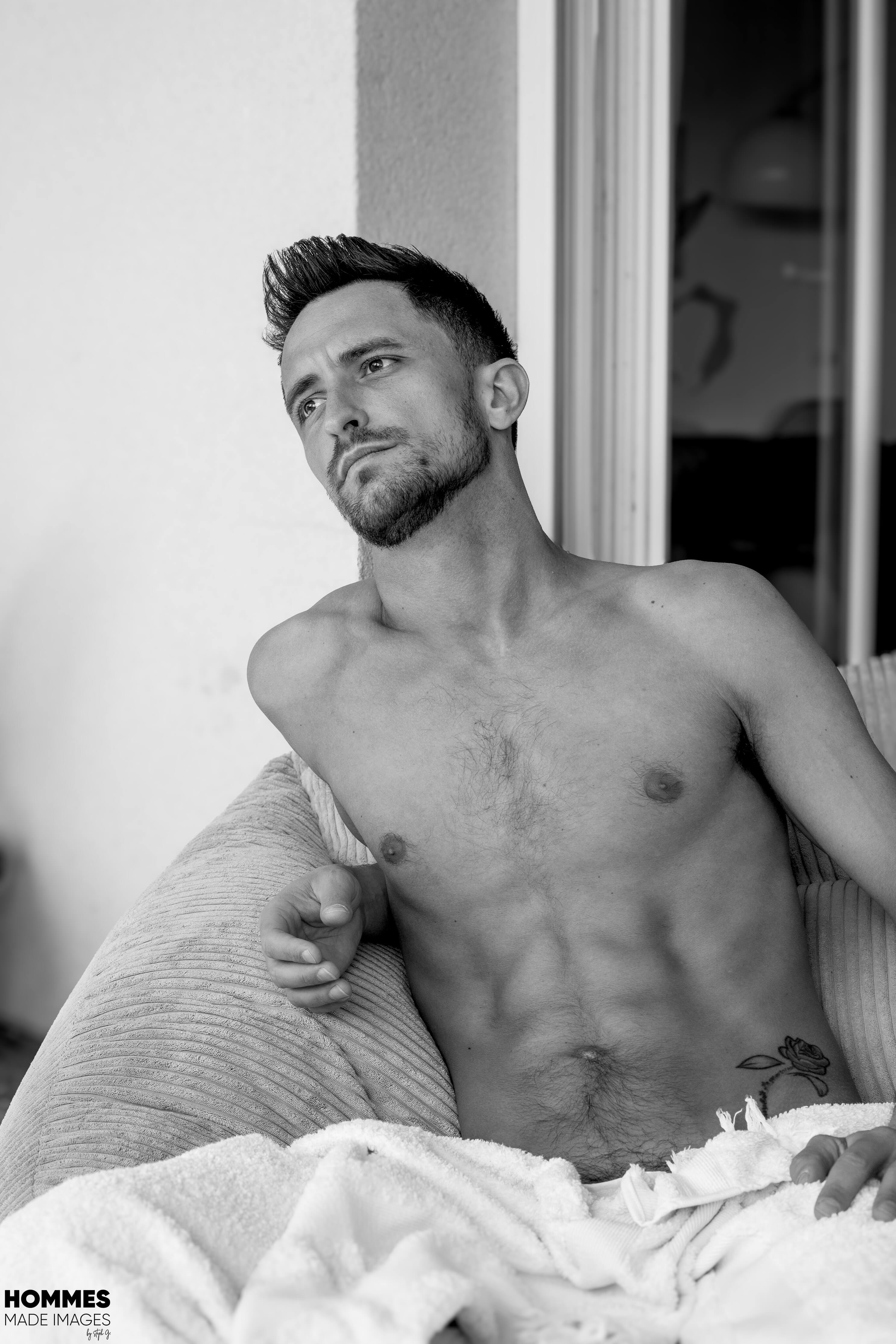
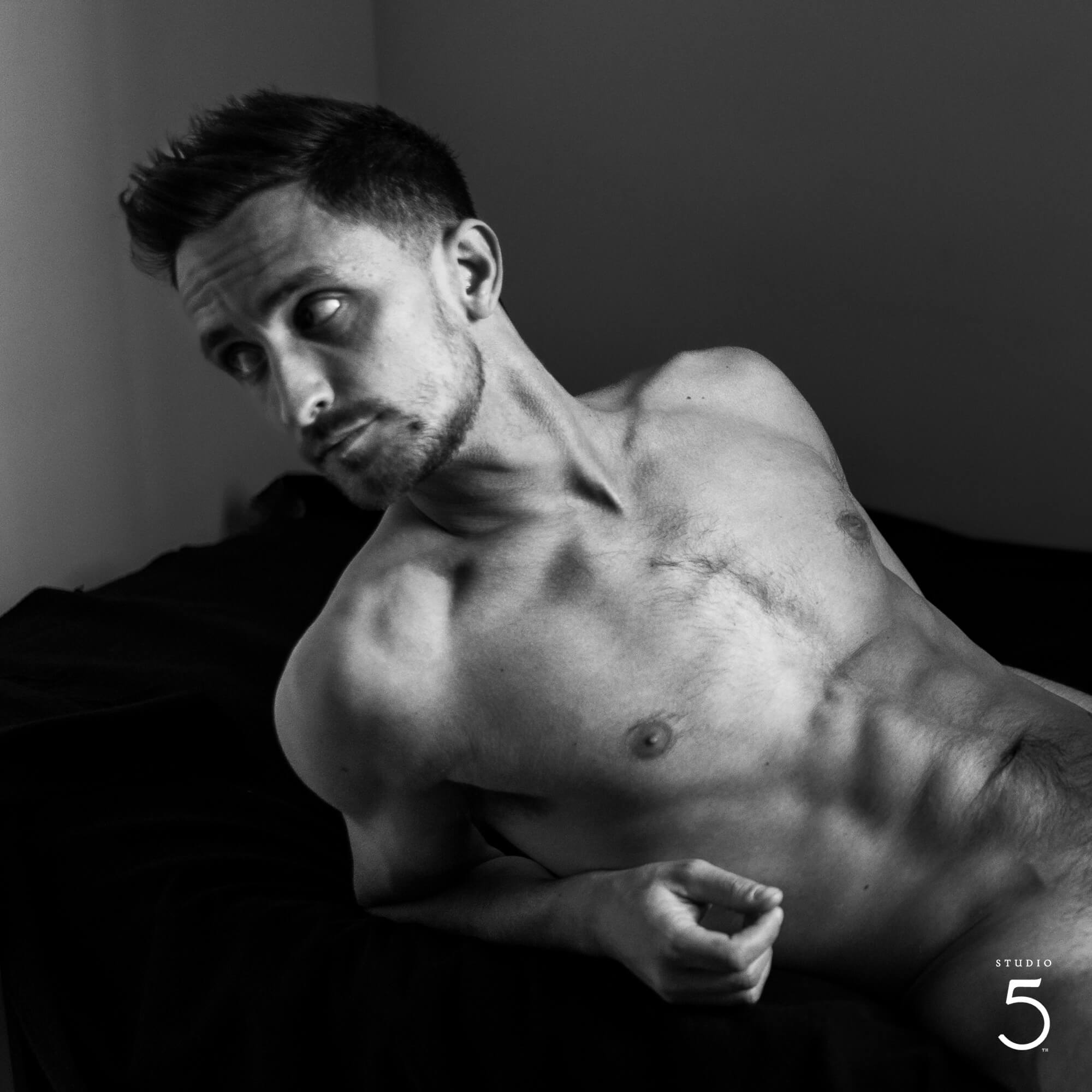
Patrice DUPAIN — Model • Bordeaux
Portfolio: patricedupain.bookfolio.fr